









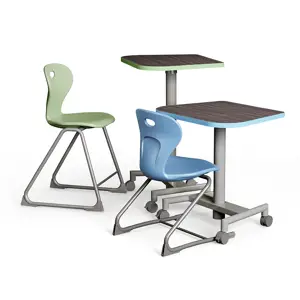
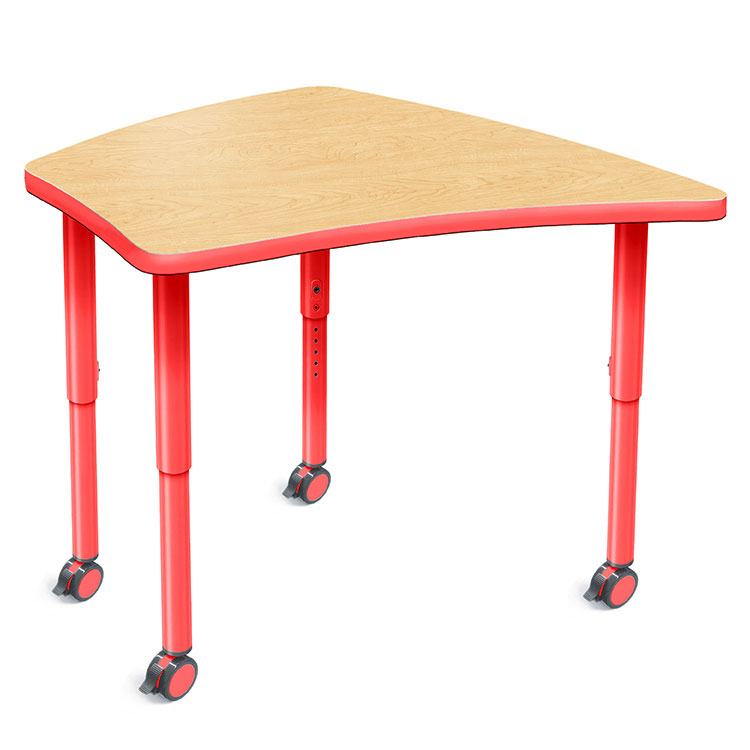
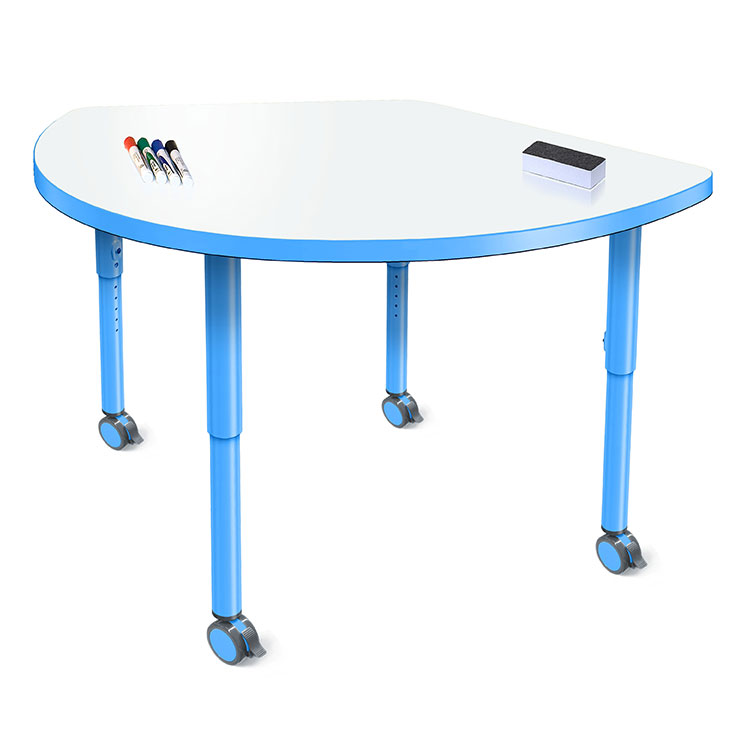
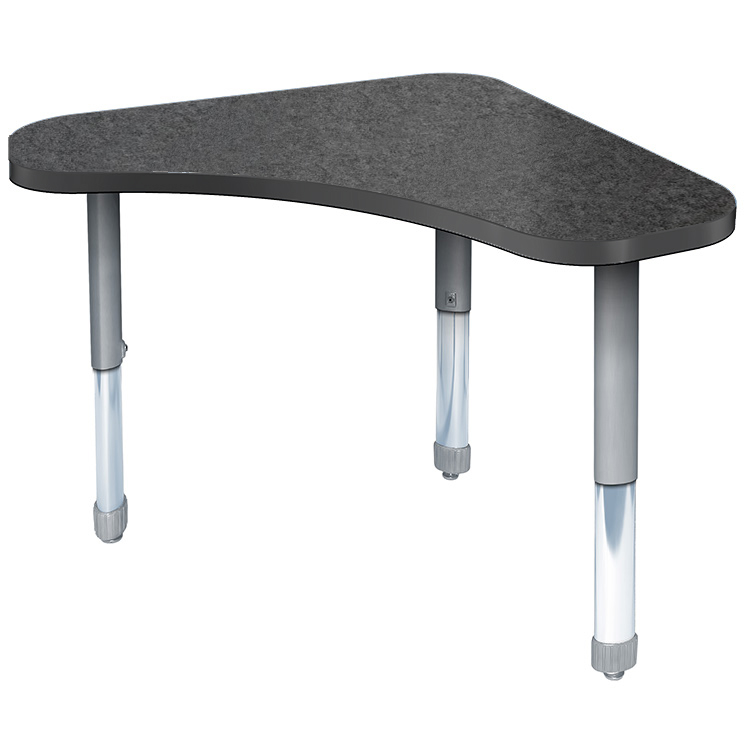
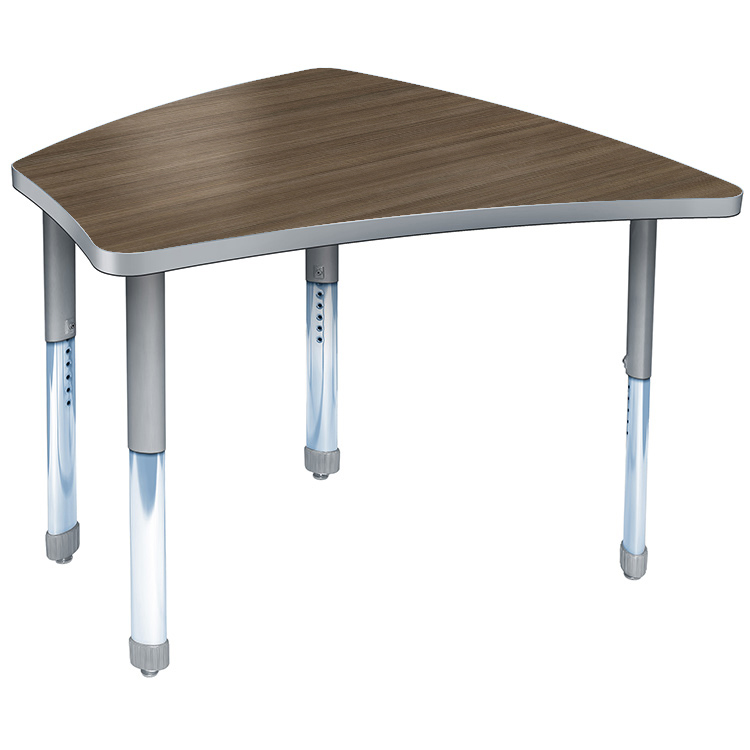
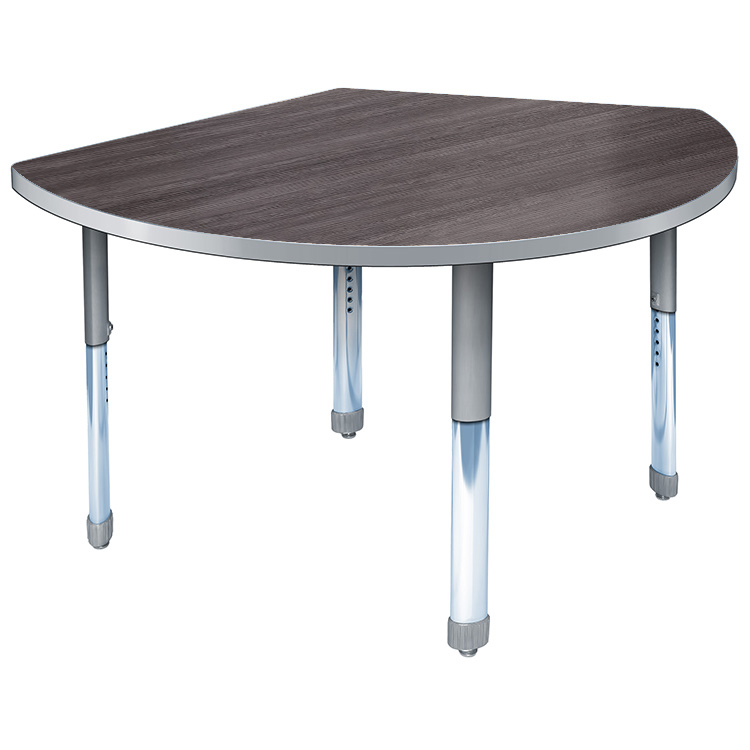
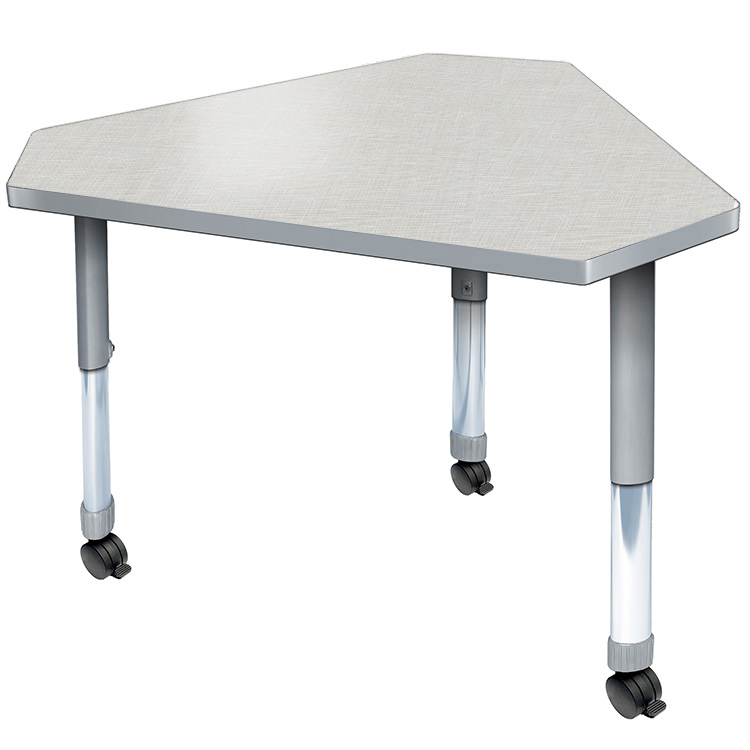
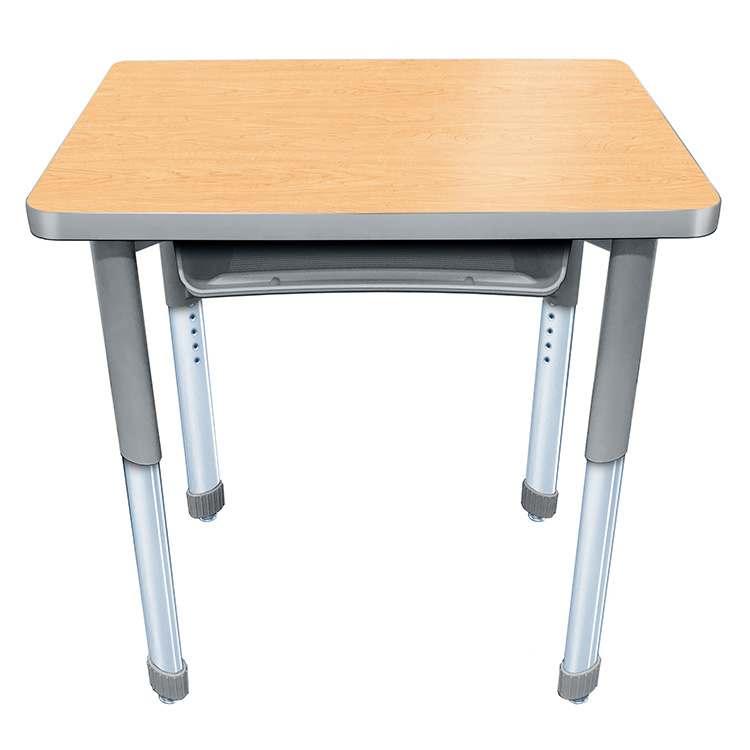
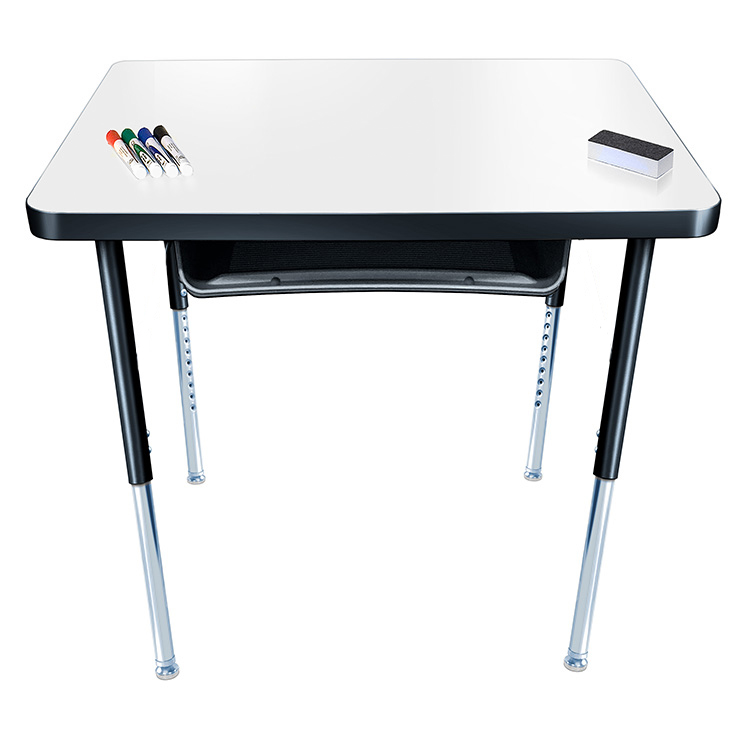
Creating a student-centered classroom is crucial for fostering a positive and effective learning environment. One key aspect of achieving this is through the strategic incorporation of furniture. Allied tables and desks provide a quality solution that can enhance the student-centered approach. Additionally, the advantages of mobile tables and desks compared to furniture on glides should be considered, as well as the impact of colors on student engagement. Let’s explore these topics in detail.
Collaborative School Desks for Active Learning
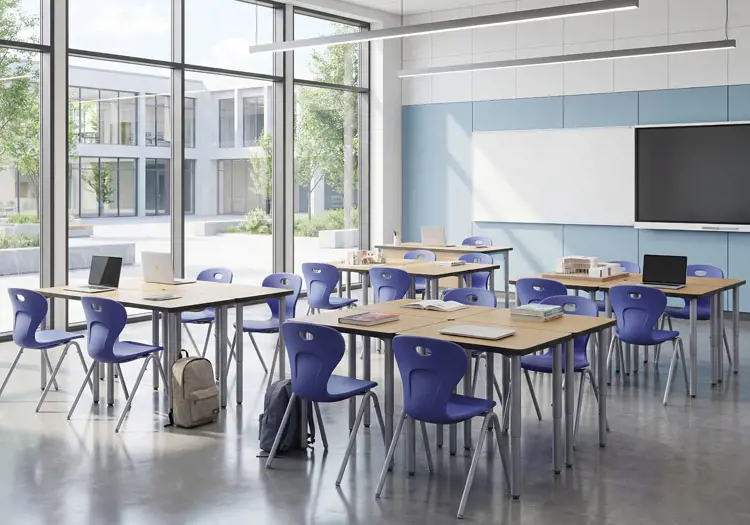
Allied student desks are designed to support focused learning, collaboration, and flexibility in today’s K–12 classrooms. Built for durability and everyday use, our classroom student desks help educators create engaging learning environments that adapt to a wide range of teaching styles and instructional needs.
 Browse Products By:
Keep Studying About Our Recommendations for Desks for Schools:
Benefits of Collaborative School Desks
Collaborative student desks are designed to enhance interaction and teamwork among students, which is essential for modern educational practices. These school desks facilitate group work and discussions, allowing students to engage more deeply with the material and each other.
Research indicates that when students work in collaborative settings, they are more likely to develop critical thinking and communication skills. Classrooms equipped with collaborative desks for schools report higher levels of student engagement and satisfaction, leading to improved academic outcomes.
Choosing the Right School Desk Shape for Your Classroom
Selecting the appropriate desk for a classroom involves considering various factors such as space, student needs, and teaching styles. Different desk shapes and configurations can significantly influence how students interact and learn.
Collaborative school desks come in a variety of shapes, each designed for specific learning activities:
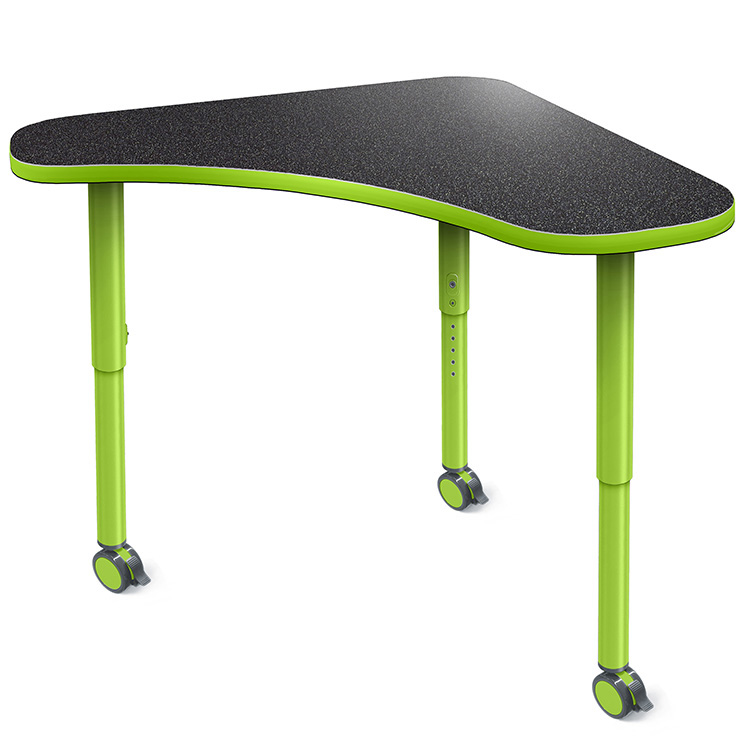
- Triangular Desks: Can be arranged in clusters to form small groups where students can easily see and interact with one another. The unique shape encourages active participation and communication, making them ideal for team projects and brainstorming sessions.
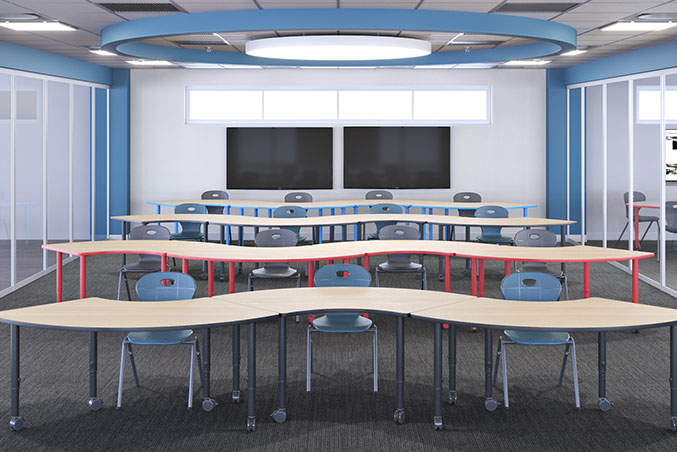
- Curvilinear Desks: Provide versatility in group arrangements. They can be configured into semi-circles or curves, allowing students to face each other and collaborate effectively during discussions and cooperative learning activities.
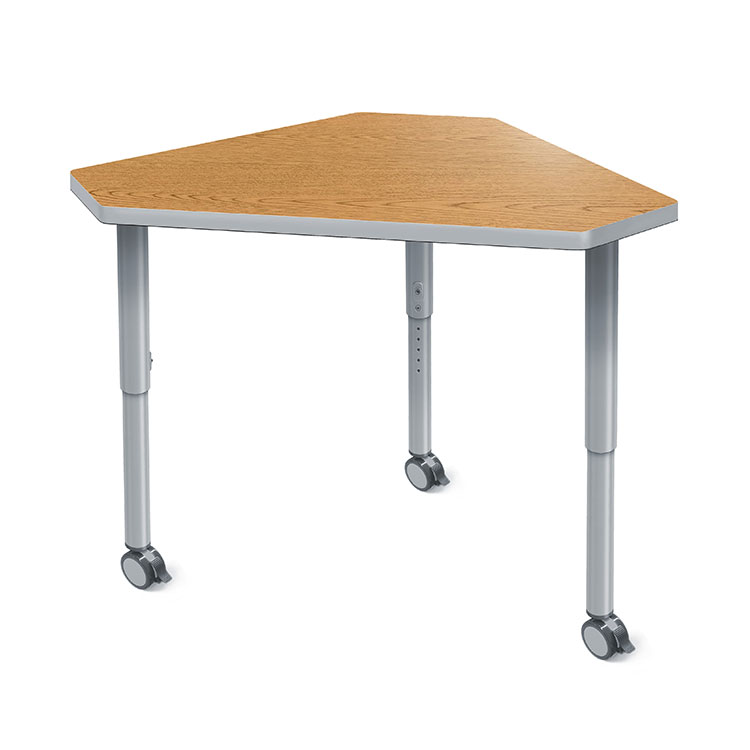
- Trapezoidal Desks: Offer flexibility for both group and individual configurations. These desks can be arranged in various patterns to accommodate different teaching methodologies and classroom layouts.
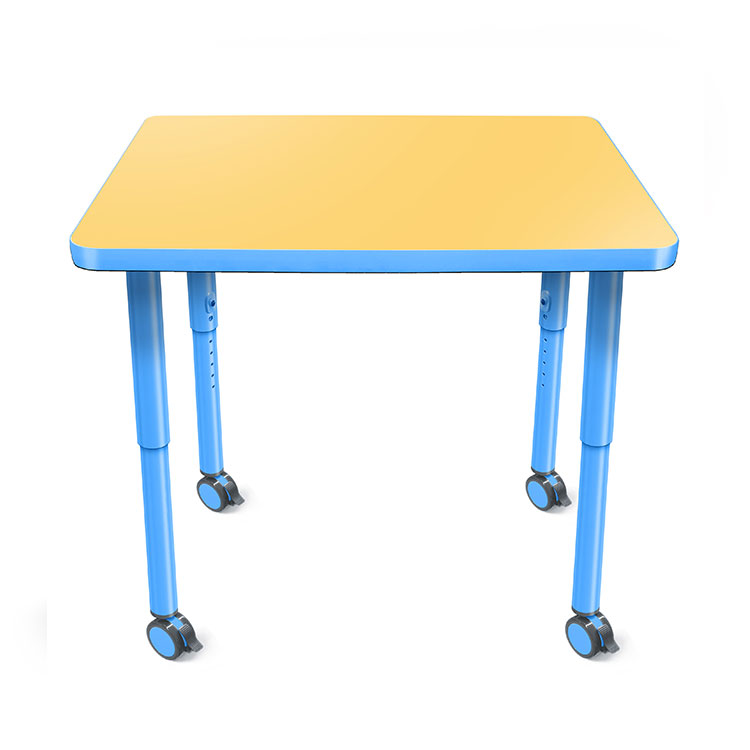
- Rectangular Desks: May be ideal for traditional lecture formats and individual work, but can also be easily grouped together to form larger collaborative workspaces when needed.
Understanding the specific requirements of your classroom and how different desk shapes support your teaching style can help in making informed decisions that enhance the learning environment. Choosing the right desk top shape can be confusing—we're here to help!
Designing a Flexible Classroom Layout
A flexible classroom layout is crucial for maximizing the effectiveness of collaborative student desks. By arranging furniture in a way that promotes movement and interaction, educators can create an environment that fosters engagement and active learning.
Incorporating mobile desks and versatile seating options allows for quick adjustments to the classroom setup, accommodating various teaching methods and group activities. When planning your layout, consider how your pedagogical approach aligns with the number of students at each grouping of desks. Different teaching methods may require varying group sizes—problem-based learning might necessitate smaller groups, while cooperative learning strategies could involve larger groups.
Space efficiency is essential: The square footage of your classroom compared to the footprint of desk groupings determines how many students can work comfortably. Collaborative desks should fit comfortably while allowing for smooth movement within the room, creating an environment that encourages collaboration without overcrowding.
Versatility for Group Work, Pairs, and Individual Learning
Modern school desks are not limited to group activities alone—they excel at supporting multiple learning modes. Whether students are working in collaborative teams, pairs, or independently, the right desk configuration adapts to the task at hand.
Triangular and curvilinear desk shapes are specially crafted to facilitate group work, with students able to face each other and collaborate effectively. For pairs and individual work, rectangular and trapezoidal desks can be used for one-on-one collaborations or individual assignments, then easily regrouped to form larger workspaces when needed. This flexibility ensures that your classroom layout remains versatile and adaptable across different teaching methodologies.
Impact of Color and Design on Student Engagement
The color and design of classroom furniture, including student desks, can significantly affect student engagement and mood. Bright, inviting colors can stimulate creativity and enthusiasm, while neutral tones may promote focus and calmness.
Furthermore, the overall aesthetic of the classroom, influenced by furniture design, can create a welcoming atmosphere that encourages students to participate actively. Educators should consider these elements when selecting desks for schools to ensure they contribute positively to the learning environment.
Creating Your Ideal Collaborative Learning Space
Whether you are looking for innovative classroom desks or versatile collaborative solutions, these considerations should guide your decision to create a dynamic learning environment that empowers both educators and students.
Ready to transform your classroom? Explore our complete range of collaborative student desks designed for active learning, or contact our team for personalized guidance on selecting the perfect desk configuration for your space. We're here to help!